
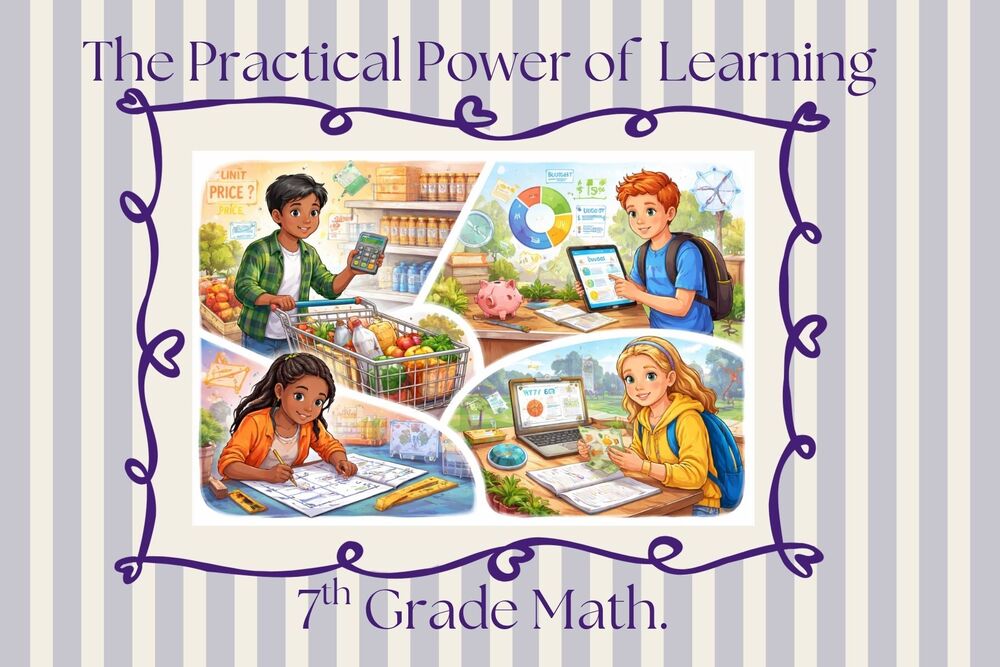
Middle school math is far more than abstract rules and endless worksheets—it is the underlying code of everyday life in the Peach State. Under Georgia’s K-12 Mathematics Standards, 7th-grade math focuses on key areas like proportional reasoning, integer operations, geometry, and probability. These core concepts form a practical toolbox that adults and professionals across Georgia rely on every single day to make informed decisions.
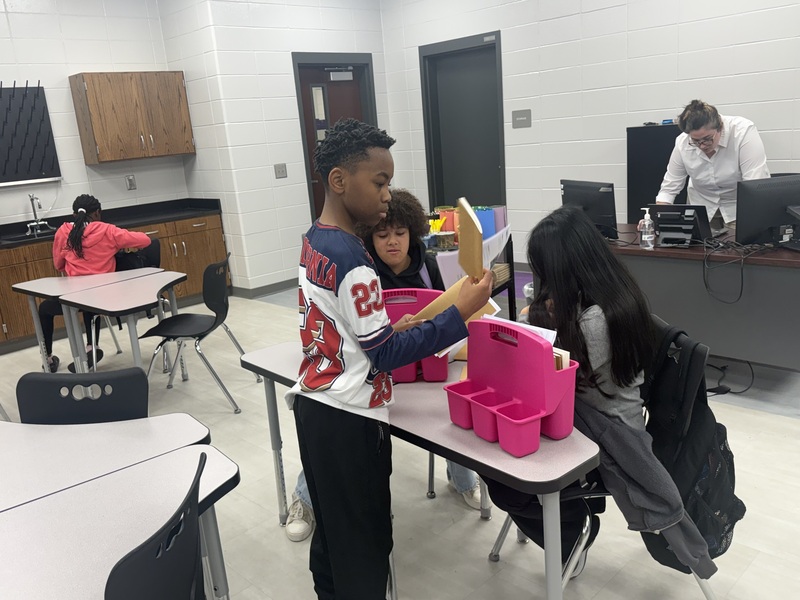
In daily life, 7th-grade math powers everything from smart financial planning to home design. Proportional reasoning and unit rates allow shoppers at local grocery stores to calculate the true cost per ounce and scale recipes for family gatherings. Meanwhile, integer operations help track checking account balances, compute profit margins, and monitor fluctuating Georgia temperatures. When it comes to real estate and construction, geometry and scale drawings enable contractors and architects to map out floor plans (1 inch = 5 feet) and accurately measure surface area to order the right amount of paint or flooring.
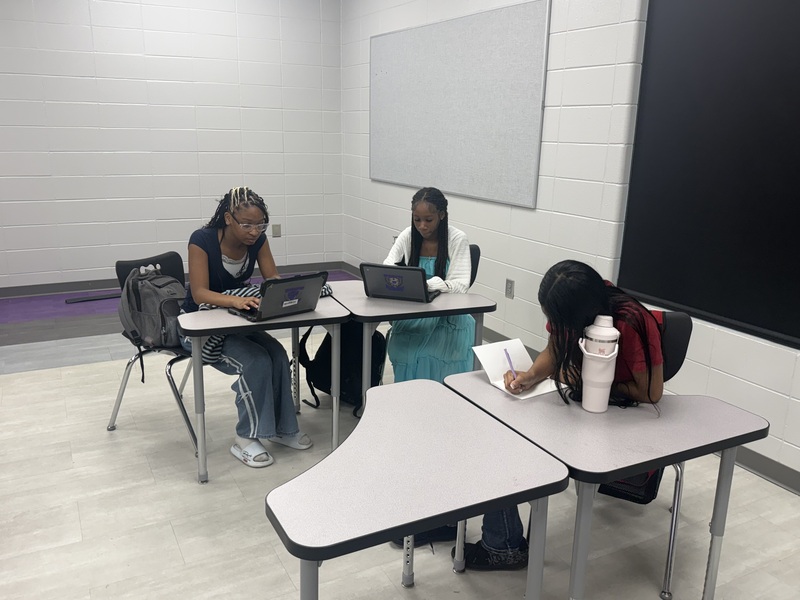
Furthermore, statistics and probability serve as the backbone for strategic decision-making in sports, science, and business. Coaches analyze probability and player stats to design winning game plans, while meteorologists use historical data models to accurately forecast rain probabilities. By mastering these foundational math skills, 7th graders aren't just preparing to pass the Georgia Milestones—they are building essential critical thinking habits that will help them navigate money, career, and daily choices well into adulthood.