
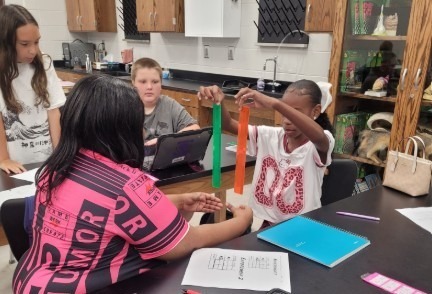
In 7th grade science, students have explored the complexity of life by first defining the characteristics of organisms, such as reproduction, energy use, and response to stimuli. This foundation led to the study of cell organelles, where learners identified how structures like the nucleus and mitochondria sustain the cell, the basic unit of life. Students then examined the levels of cellular organization, tracing how cells form tissues, organs, and organ systems to build a functional individual. This concept was further applied through the study of human body systems, illustrating how these organized structures work together to maintain homeostasis. To categorize this vast diversity of life, students learned to use dichotomous keys—tools that utilize specific physical traits to identify unknown species. Finally, they studied the broader kingdom classification system, which organizes all living things into groups like Animalia, Plantae, and Fungi based on their cellular makeup and how they obtain food.
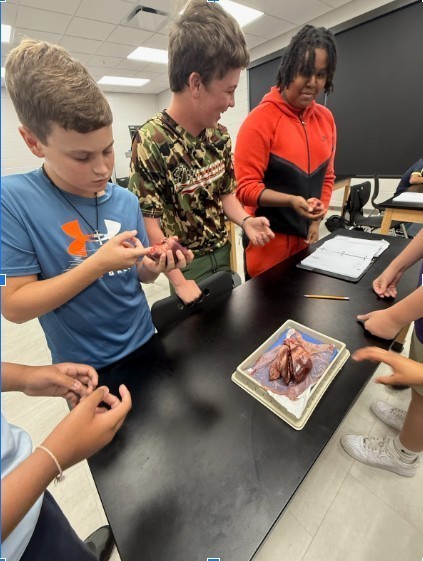
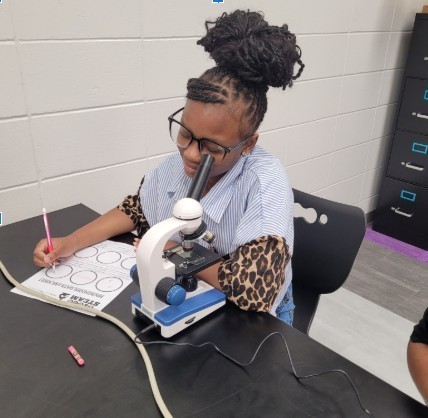
Mastering these concepts is vital because it provides a foundational framework for understanding the complexity of the natural world and our place within it. By learning about cell organelles and body systems, students build health literacy, which empowers them to make informed decisions about their well-being, nutrition, and medical treatments. Understanding the levels of biological organization and kingdom classification fosters scientific literacy, allowing students to organize vast amounts of information and recognize how all living things are interconnected. Furthermore, skills like using dichotomous keys sharpen critical thinking and problem-solving abilities, which are essential for navigating 21st-century challenges such as disease prevention, environmental conservation, and sustainable farming. Ultimately, this curriculum serves as a critical gateway to future careers in medicine, biotechnology, and environmental science